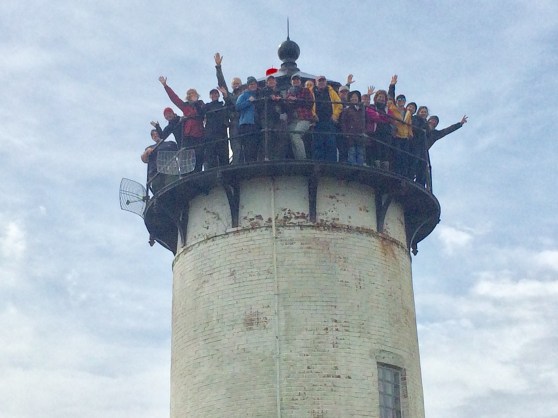
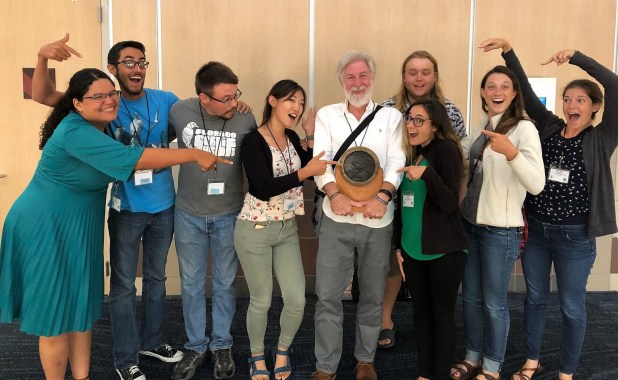
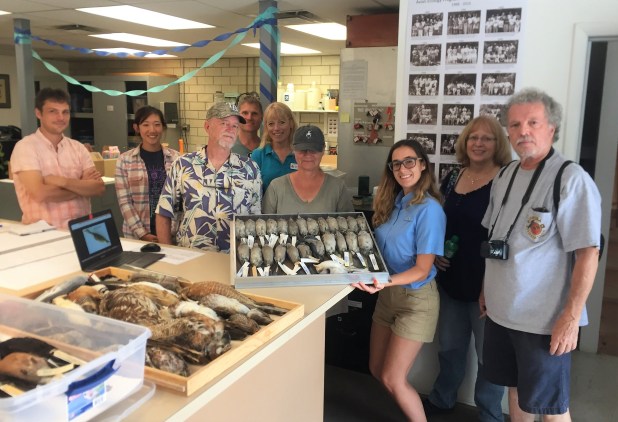
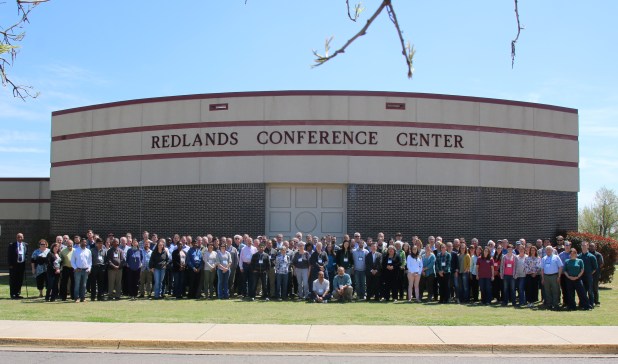
Field trips are a fun feature of every field station meeting: this year Archbold staff got to visit Mount Desert Island and Duck Island, both operated by the College of the Atlantic in the Gulf of Maine.
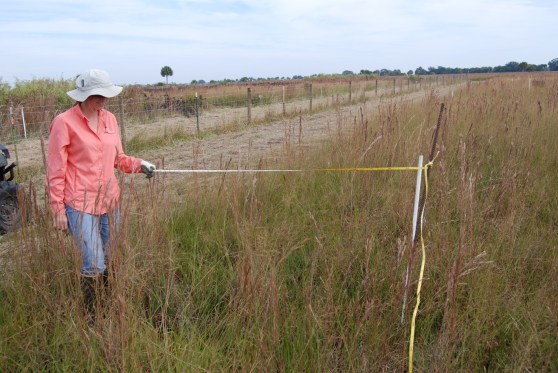
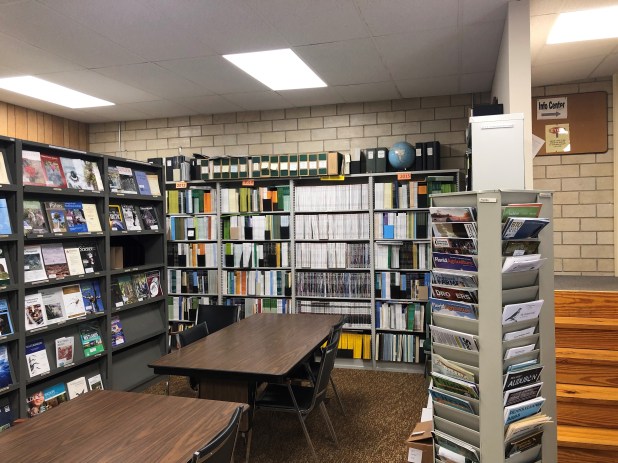
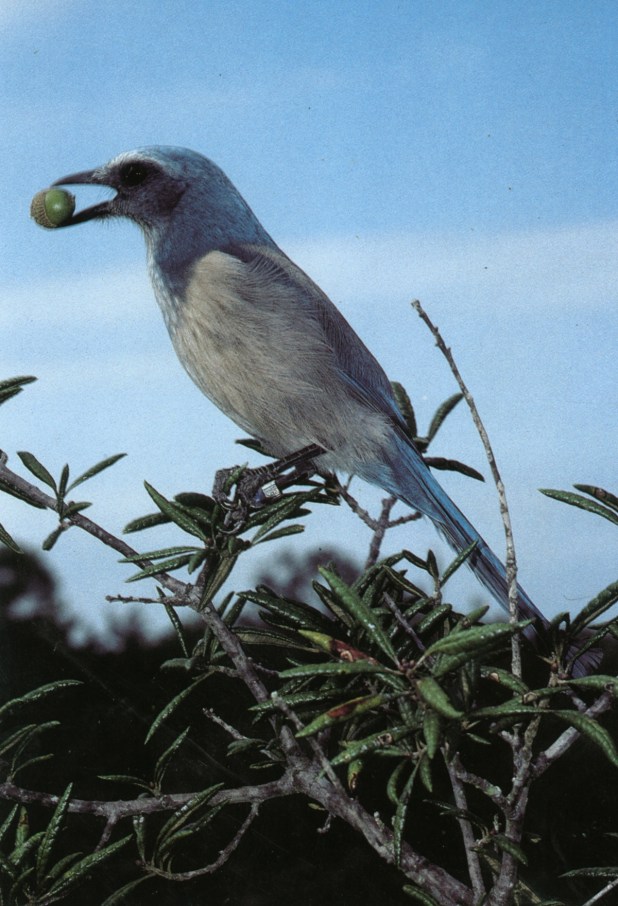
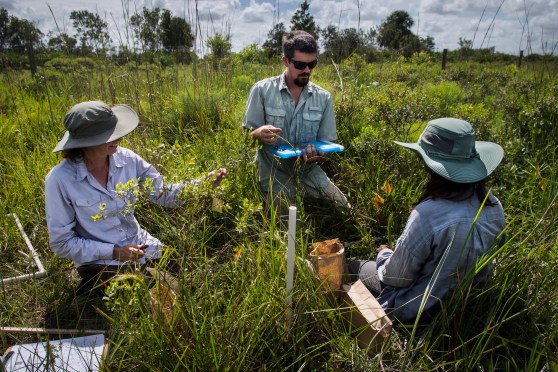
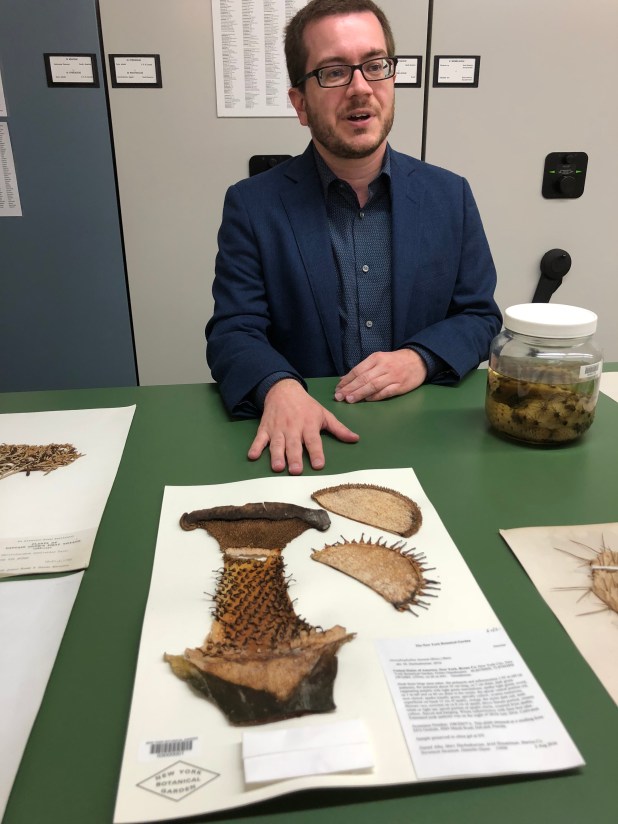
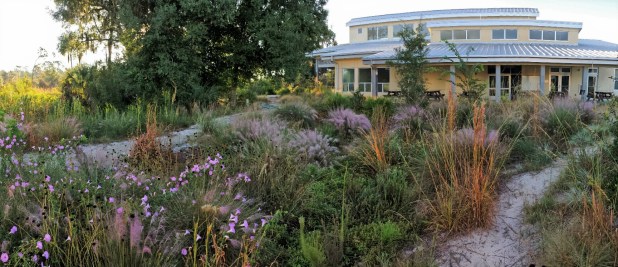
“What is a biological field station? That is one of the commonest questions I am asked before I give a presentation about Archbold Biological Station. It doesn’t matter if I am in Highlands County, elsewhere in Florida, or around the country, it’s the same question”, said Dr. Hilary Swain, Director of Archbold. “Most people are curious as they have never heard of a biological field station. I like to tell them they are special places which provide everything that students, researchers, and the general public would want to better understand the natural environment. I say that field stations combine four vital ingredients for science, conservation, and education. First, they are located in a ‘natural outdoor laboratory’—meaning there are species and habitats for study, and protected key ecosystems for science and conservation. Second, they have great facilities ranging from analytical equipment, places to stay and eat, libraries, environmental sensors, and hi-technology and communications. Third, they house a community of scientists, students, educators, and land managers with whom to share information and discuss emerging ideas. Fourth, field stations are a critical repository of knowledge, combining data, scientific publications and long-term monitoring to tell us how the natural world works and how it is changing over time.” Continue reading →














 The Scrub Blog