

Archbold staff members, Dustin and Emily Angell at a research site in the Canadian Rockies
Students and researchers come from around the country to Archbold Biological Station in Highlands County because it offers something special: VIP access to the natural habitats and ranchlands of Florida’s Heartland, decades of scientific data, on-site experts, lodgings, and meals. Archbold is one of approximately one thousand field stations around the world. Each is different, but all offer access to the outdoor laboratory that is the natural world. This summer, two Archbold staff, Dustin and Emily Angell were invited to a field station in the Canadian Rockies to meet the scientists there and see what research they are pursuing.
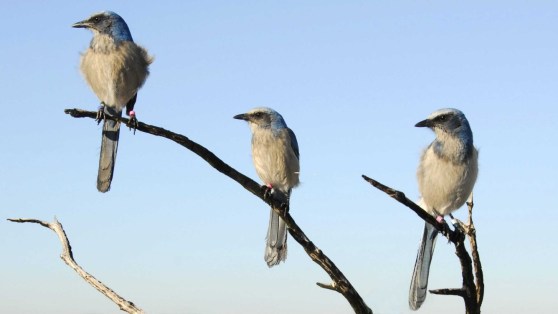
Emily is an Archbold Research Assistant monitoring endangered birds at the Avon Park Air Force Range and Dustin is Archbold’s Education Coordinator. The couple moved to Highlands County together from Syracuse, NY to accept positions at Archbold.. “This trip was part of our 5th wedding anniversary road trip,” said Emily. “We visited a field station in Costa Rica as part of our honeymoon, too.”
 The Scrub Blog